15% Off Our Entire Suite of Hurricane Solutions — Ends Soon | View Offer Today!


How Often Should Hurricane Shutters Be Maintained?


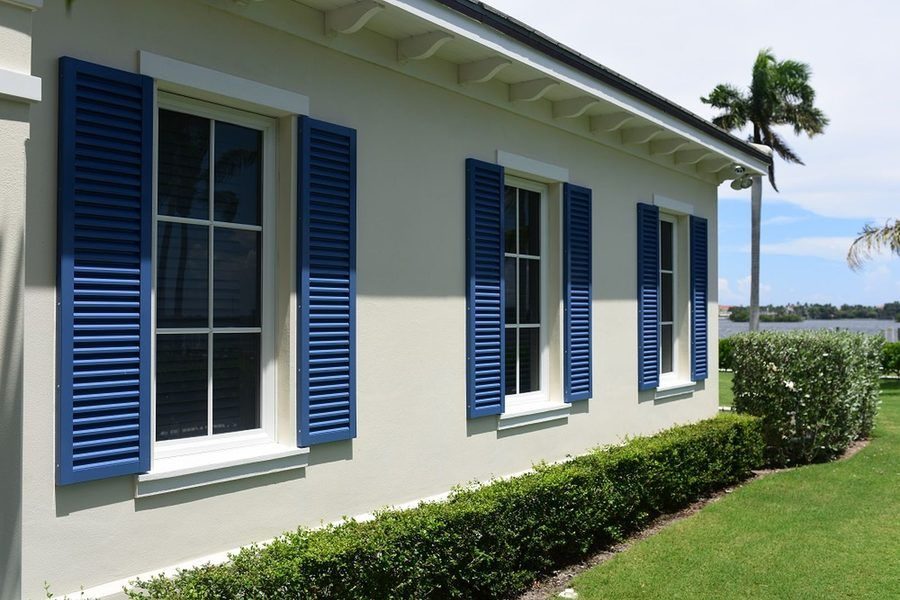
Hurricane shutters can spend much of the year sitting unused, but when a major storm threatens Florida, homeowners need them to operate correctly and secure properly. Dirt, corrosion, damaged hardware, and problems with moving components can make shutters more difficult to deploy when they are needed most.
So, how often should hurricane shutters be maintained? As a practical baseline, homeowners should inspect and maintain hurricane shutters at least once a year, ideally before hurricane season, while also following the shutter manufacturer’s specific maintenance schedule. Additional inspections are smart after a major storm, after shutters have been deployed, or whenever you notice problems with their operation.
How Often Do Hurricane Shutters Need Maintenance?
For most homeowners, an annual hurricane shutter inspection is a good starting point. However, there is no single maintenance schedule that applies to every shutter system.
How often your shutters need attention can depend on:
-
The type of hurricane shutters you own
-
Manufacturer maintenance requirements
-
How frequently the shutters are operated
-
Their age and condition
-
Exposure to rain and humidity
-
Salt exposure near Florida’s coast
-
Previous hurricane or impact damage
Homes with significant coastal exposure may benefit from more frequent inspections and cleaning because salt and moisture can contribute to corrosion.
The goal is simple: make sure your shutters are ready to deploy before a hurricane is approaching.
When Is the Best Time to Maintain Hurricane Shutters?
Before Hurricane Season
The best time for a thorough hurricane shutter inspection is before hurricane season begins.
Testing shutters early gives you time to identify missing hardware, sticking tracks, damaged components, or other problems without the pressure of an approaching storm. Waiting until a hurricane watch or warning is issued can leave little time to find replacement parts or arrange repairs.
After a Major Storm
Inspect hurricane shutters after they have been deployed during a significant storm, particularly if your property experienced strong winds or flying debris.
A shutter can appear normal from a distance while still having bent components, loose hardware, damaged tracks, or other problems that affect future operation.
Whenever Operation Changes
Do not wait for the next annual inspection if something seems wrong.
A shutter that suddenly becomes harder to move, makes unusual noises, does not align properly, or cannot lock securely deserves attention as soon as possible.
Hurricane Shutter Maintenance Schedule at a Glance
A simple maintenance schedule can help keep hurricane protection from becoming a last-minute concern.
At least once a year: Inspect the entire system, clean it, test its operation, and complete manufacturer-recommended maintenance.
Before hurricane season: Deploy and secure shutters to confirm that they operate correctly.
Before an approaching storm: Perform a quick check while conditions remain safe and make sure removable components are accessible.
After a major storm: Look for impact damage, bent components, loose hardware, corrosion, or changes in operation.
Whenever a problem develops: Address sticking, grinding, damaged hardware, alignment problems, or other concerns rather than waiting for hurricane season.
Do Different Types of Hurricane Shutters Need Different Maintenance?
Yes. Hurricane shutter maintenance varies considerably depending on the type installed on your home. Florida’s Division of Emergency Management identifies several different professionally installed systems, including accordion, roll-up, Bahama, Colonial, panel, and fabric systems.
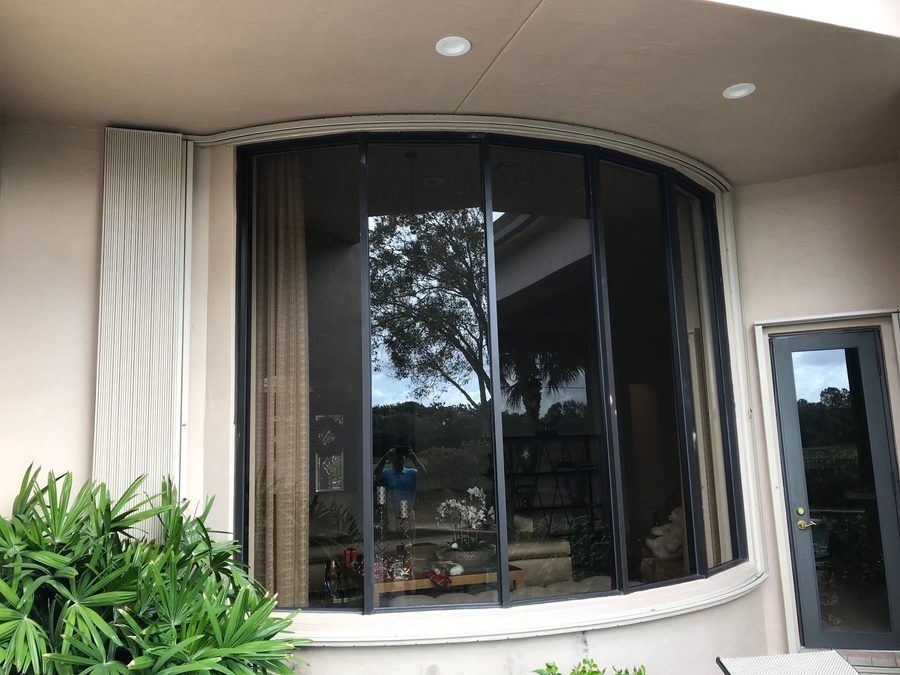
Accordion Hurricane Shutters
Accordion shutters remain permanently attached and fold horizontally across an opening when needed.
Maintenance should include checking:
-
Tracks for dirt and debris
-
Locks and closure mechanisms
-
Rollers and moving components
-
Fasteners and mounting points
-
Signs of corrosion
-
Smooth opening and closing
Deploy each shutter during your maintenance check instead of simply looking at it while it is stored.
Roll-Down Hurricane Shutters
Roll-down shutters may operate manually or with a motor, so maintenance requirements can vary.
Inspect:
-
Slats
-
Side tracks
-
Shutter housing
-
Locks
-
Manual operating mechanisms
-
Motorized controls, when applicable
If your shutters are motorized, follow the manufacturer’s service instructions. Electrical or motor problems are generally best handled professionally rather than through DIY repairs.
Bahama and Colonial Shutters
These shutters are permanently mounted and can also contribute to a home’s exterior appearance.
Check:
-
Hinges
-
Latches
-
Support arms
-
Fasteners
-
Alignment
-
Visible corrosion or damage
Make sure each shutter can move into its storm-ready position and secure as designed.
Removable Hurricane Panels
Removable storm panels require a different maintenance approach because the shutters and installation hardware may spend most of the year in storage.
Florida’s Hurricane Retrofit Guide recommends labeling shutters for each window and door and storing them so they are ready before a storm threatens.
Before hurricane season, confirm that:
-
Every panel is accounted for
-
Panels are labeled by opening
-
Mounting hardware is complete
-
Panels are not significantly damaged
-
Permanent mounting points are in usable condition
-
You remember the proper installation sequence
Missing one critical piece of hardware can complicate installation when time matters.
What Should Hurricane Shutter Maintenance Include?
Clean Tracks and Components
Dirt, leaves, insects, and other debris can accumulate around permanently installed shutters.
Remove accessible debris and clean components according to the manufacturer’s instructions. Coastal homeowners may also need to pay particular attention to salt accumulation.
Avoid using harsh chemicals or cleaning products unless they are approved for your particular shutter material and finish.
Inspect Fasteners and Hardware
Look for visible signs of:
-
Loose hardware
-
Missing fasteners
-
Corrosion
-
Bent components
-
Damaged mounting points
-
Cracks or other physical damage
Attachment is particularly important because hurricane protection systems are tested as complete systems. Florida’s Hurricane Retrofit Guide emphasizes that proper attachment to the structure is critical and that shutters should be installed according to the manufacturer’s engineering specifications.
Do not substitute fasteners or modify mounting systems without confirming that the change complies with the product’s approved installation requirements.
Test the Entire Shutter
A visual inspection alone cannot tell you whether a movable shutter still operates correctly.
Deploy the shutter fully, secure it as you would during a hurricane, and then return it to its normal position. Pay attention to resistance, binding, misalignment, or unusual sounds.
Perform this test before hurricane season rather than waiting until a storm is approaching.
Lubricate Only as Recommended
Avoid assuming that every hurricane shutter track needs a general-purpose lubricant.
Different shutter systems have different materials and operating mechanisms. Using an inappropriate lubricant can attract dirt or conflict with manufacturer recommendations. Check the manufacturer’s instructions for the correct product and application method before lubricating any component.
How Does Florida’s Climate Affect Hurricane Shutters?
Florida hurricane shutters are exposed to conditions that can contribute to wear even when the shutters are not being deployed.
High humidity, frequent rain, intense sunlight, and coastal salt exposure can affect metal components, finishes, fasteners, and moving parts over time.
That is why maintenance frequency should be based partly on the shutter’s environment. A system on a coastal home with regular salt exposure may need cleaning and inspection more frequently than the same shutter installed farther inland.
What Are the Signs Hurricane Shutters Need Repair?
Schedule an inspection or repair if you notice:
-
Difficulty opening or closing shutters
-
Sticking or binding
-
Grinding or unusual noises
-
Misaligned panels or slats
-
Locks that will not engage
-
Loose or missing fasteners
-
Bent tracks or components
-
Significant rust or corrosion
-
Motorized shutters operating inconsistently
-
Missing removable panels or hardware
-
Visible impact damage
Do not force a shutter that refuses to operate. Forcing a stuck component could cause additional damage without correcting the underlying problem.
Can You Maintain Hurricane Shutters Yourself?
Homeowners can generally handle basic tasks such as visual inspections, gentle cleaning, removing accessible debris, organizing removable panels, and testing shutter operation when the manufacturer permits it.
Repairs are different.
Damaged tracks, structural mounting problems, substantial corrosion, bent components, motor failures, or shutters that cannot properly deploy may require professional attention. Avoid modifying a hurricane protection system simply to make a component fit or operate.
For Florida homes, hurricane shutters used for opening protection should be approved products installed according to their specific requirements. Florida’s Division of Emergency Management notes that approved systems are independently tested and reviewed for building code compliance, and proper installation is essential to their intended performance.
What Happens If You Don’t Maintain Hurricane Shutters?
Neglecting hurricane shutter maintenance does not mean the shutters will automatically fail during a storm. The more immediate concern is that you may not discover a problem until you try to deploy them.
Without routine checks:
-
Tracks may become difficult to operate
-
Corrosion may worsen
-
Hardware can loosen or go missing
-
Moving components may bind
-
Motorized systems can develop operating problems
-
Removable panels or fasteners may be misplaced
Discovering one of these issues when a hurricane is already approaching can make repairs much more difficult.
When Should Hurricane Shutters Be Replaced?
Age alone does not determine when hurricane shutters should be replaced.
Replacement may be appropriate when the system has substantial corrosion, serious impact damage, unavailable replacement components, damaged mounting points, or problems that prevent it from deploying and securing correctly.
If you are unsure about an older shutter system, a professional can help determine whether repair is practical or whether upgrading to newer hurricane shutters or impact-resistant windows and doors makes more sense.
Keep Your Hurricane Protection Ready With Castle Impact Windows
Hurricane shutters should not be something you think about only when a storm enters the forecast. Inspecting and maintaining them at least annually, preferably before hurricane season, gives you an opportunity to find problems while there is still time to address them. Always follow the manufacturer’s maintenance instructions, and consider additional inspections after major storms or when shutters become difficult to operate.
Castle Impact Windows helps Florida homeowners evaluate their hurricane protection options, including hurricane shutters and impact-resistant windows and doors. If your existing shutters are damaged, difficult to deploy, or no longer meeting your needs, professional guidance can help you determine the right next step for protecting your home’s openings.
Contact Castle Impact Windows today to learn more about hurricane shutters, impact windows and doors, and the right storm protection solutions for your Florida home.






Get Started