15% Off Our Entire Suite of Hurricane Solutions — Ends Soon | View Offer Today!


How Salt Spray Affects Shutters on Coastal Condominiums


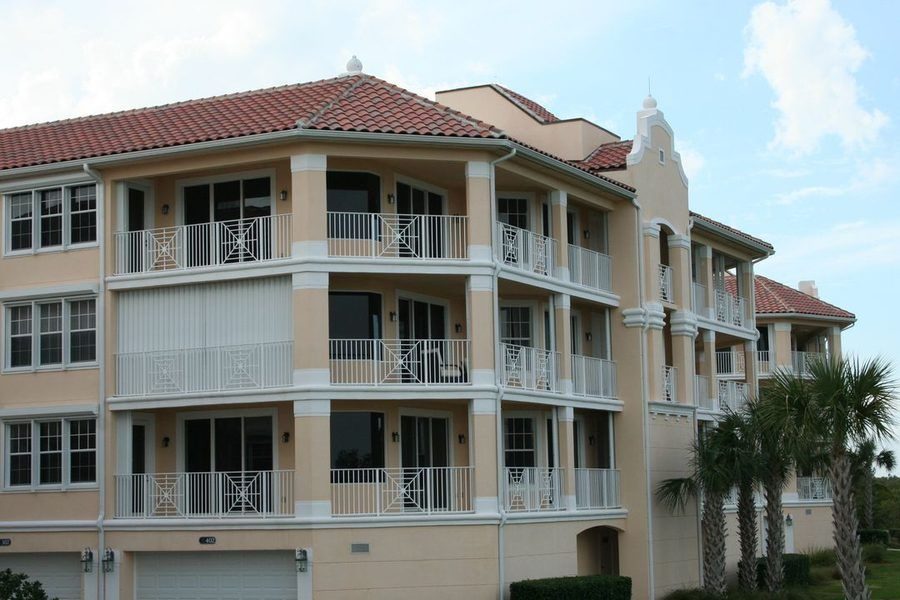
Living in a waterfront condominium along the South Florida coast, whether overlooking the Atlantic Ocean in West Palm Beach, Boca Raton, or along the Intracoastal Waterway, offers breathtaking views and breezy ocean living. However, that constant ocean breeze carries an invisible, highly destructive threat: salt spray.
For coastal condominium boards, property managers, and individual unit owners, hurricane shutters (such as accordion, roll-down, and Bahama systems) are often considered the primary defense against tropical storms and hurricanes. But when exposed to relentless airborne salt and high ambient humidity, these metal shutter systems silently corrode. When a tropical storm warning is issued, many condo owners discover too late that their shutters are seized, bound, or structurally compromised. This guide breaks down the chemical impact of salt spray on condominium shutters, the four most common failure points, and how to ensure your coastal property stays protected.
The Chemical Process: How Salt Spray Attacks Metal Shutters
Coastal air carries microscopic ocean water droplets loaded with sodium chloride. When this salt mist settles on metal hurricane shutters, it creates a severe micro-environment:
-
Hygroscopic Moisture Attraction: Salt is naturally hygroscopic, meaning it attracts and holds moisture directly from humid coastal air. Even on clear, dry days, salt deposits on your shutters remain damp, creating a non-stop corrosive reaction.
-
Pitting Corrosion on Aluminum: While hurricane shutters are primarily constructed from aluminum to resist rust, unwashed salt spray breaks down the protective oxide layer. This leads to pitting corrosion, forming microscopic craters in tracks, slats, and hinges that weaken structural integrity.
-
Galvanic Corrosion: Shutters are assembled using stainless steel or carbon steel fasteners, screws, and mounting anchors driven into concrete building envelopes. When two dissimilar metals (aluminum and steel) come into contact in the presence of salty moisture, galvanic corrosion accelerates. The steel fasteners slowly dissolve the surrounding aluminum frame, causing mounting points to loosen and pull free during high-wind events.
4 Common Failure Points Caused by Salt Spray
Because condominium shutters remain retracted during fair weather, salt spray accumulates in hidden internal components that are impossible to inspect without manual operation.
1. Seized Tracks and Nylon Wheels on Accordion Shutters
Accordion shutters rely on top and bottom tracks fitted with small nylon wheel carriers. Salt mist settles inside the track channels, mixing with ambient dust and sand to form a gritty paste. Over time, the internal metal wheel axles corrode and swell, jamming the wheels inside the track. When unit owners attempt to pull the accordion shut, the panels bind, derail, or buckle.
2. Motor Burnout and Slat Binding in Roll-Down Shutters
Electric roll-down shutters rely on motorized drive shafts housed inside an overhead housing box, as well as vertical side guide rails. Salt air penetrates the housing box, corroding internal electrical contacts, limit switches, and motor windings. Additionally, salt scale builds up between individual aluminum slats, preventing the shutter from rolling down evenly and causing motor burnout.
3. Frozen Locking Rods and Thumb-Turns
The locking mechanisms on accordion and Bahama shutters feature small internal springs, pins, and locking bars. Because these small components have tight mechanical tolerances, even minor salt oxidation locks them in place. A shutter panel may slide closed, but if the locking rod is seized by salt, the unit cannot be secured against hurricane-force wind pressures.
4. Weakened Wall Anchors and Hinge Pins
On multi-story coastal condominiums, elevated wind pressure (Design Pressure or DP requirements) places extreme stress on shutter mounting anchors. Galvanic corrosion around concrete wall anchors degrades the structural connection holding the shutter frame to the building substrate. During a storm, weakened anchors can shear off under heavy wind loads, causing the shutter to pull away from the wall.
The Condominium Factor: Elevated Exposure and HOA Liability
Salt spray damage is significantly worse on high-rise and mid-rise condominiums than on single-family homes:
-
Height Acceleration: Wind speeds and sea spray concentration increase with elevation. Upper-story condo balconies receive continuous salt mist exposure driven by onshore winds.
-
Access Difficulties: Rinsing salt spray off outer shutter surfaces on a 7th-floor balcony is difficult and dangerous for unit owners, leading to years of unaddressed salt buildup.
-
HOA & Board Liability: Condominium associations often mandate uniform storm protection across all units. If shutters fail during a hurricane due to unaddressed corrosion, secondary water intrusion can cause millions of dollars in structural damage to surrounding units and common areas.
Maintenance vs. The Permanent Upgrade: Impact Windows
While routine freshwater rinsing and silicone-based lubrication can slow down corrosion on existing shutters, many coastal condo owners are transitioning away from shutters entirely.
Upgrading your condominium to engineered impact windows and sliding glass doors provides year-round storm defense without the constant maintenance and mechanical failure risks associated with salt-exposed shutters. Modern impact glass units are rated for high Design Pressures (DP), built with corrosion-resistant coastal hardware, and engineered to withstand severe High-Velocity Hurricane Zone (HVHZ) conditions.
Protect Your Coastal Condominium Investment
Whether your condominium currently relies on accordion shutters, roll-down systems, or decorative storm panels, proactive inspection is essential before tropical activity threatens the South Florida coast.
Addressing track binding, replacing corroded fasteners, or upgrading old openings to heavy-duty impact windows ensures your building envelope remains secure when high winds and driving rain strike.
Ensure your property is truly storm-ready and contact Castle Impact Windows today!




Get Started