15% Off Our Entire Suite of Hurricane Solutions — Ends Soon | View Offer Today!


Understanding Miami-Dade HVHZ Ratings: What You Need to Know


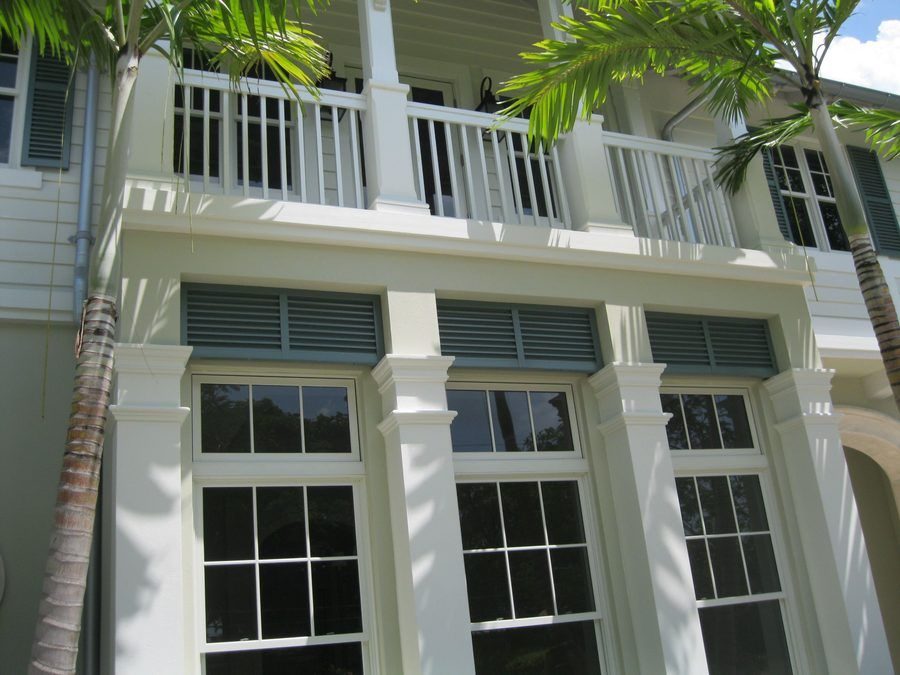
South Florida homeowners are no strangers to the intense power of the Atlantic hurricane season. Ever since Hurricane Andrew reshaped the regional landscape in 1992, building professionals and state regulators have continuously updated structural guidelines to protect local communities from catastrophic property failure. These safety initiatives led to the creation of the High-Velocity Hurricane Zone designation, a strict set of building codes applied to areas most vulnerable to landfalling tropical systems. When retrofitting a property with new windows, navigating these dense technical specifications can feel overwhelming for many families looking to secure their properties.
When reviewing hurricane protection options along the coast, you will consistently encounter references to Miami-Dade compliance or specific wind-zone ratings. Choosing the correct certification level is vital, as installing hardware that fails to meet local structural mandates can result in failed municipal code inspections, voided insurance policies, and structural failures during a major storm event. Castle Impact Windows has spent nearly sixty years defending South Florida residential properties, building a reputation centered on technical mastery and uncompromising home defense. This guide breaks down the science and regulations behind specialized coastal wind ratings to help you make an informed investment in your property’s safety.
The Anatomy of an HVHZ Rating: Demystifying the Standards
The High-Velocity Hurricane Zone represents the most stringent building code territory in the entire United States, covering all of Miami-Dade and Broward counties, along with specific coastal pockets of Palm Beach County. Within this designated zone, property openings cannot rely on basic residential construction materials; every exterior window, door, and skylight must possess verified engineering proof that it can withstand extreme wind forces.
Understanding Testing Application Standards Protocols
Earning a certified rating for coastal code deployment requires an integrated window assembly to pass a series of specialized testing procedures known as Testing Application Standards:
-
Integrated System Evaluations: Testing protocols mandate that the glass, structural aluminum or vinyl frame, internal locking hardware, and anchoring screws are evaluated collectively as a single unified system rather than individual parts.
-
Design Pressure Load Thresholds: Products must successfully handle high design pressure scores, proving the entire window assembly can resist intense pushing and pulling forces without popping out of the wall framing.
-
Debris Deflection Structural Resilience: The framing architecture must be engineered to prevent structural twisting or warping when shifting under maximum wind loads, ensuring the internal glass seals stay completely airtight.
-
Mandatory Structural Glass Glazing: Residential properties inside this zone cannot utilize standard glass windows, legally requiring the installation of impact-rated structural glazing or heavy-duty shutter protection systems.
The Testing Battery: How Windows Earn HVHZ Approval
A window does not receive a high-velocity safety rating through theoretical math or basic engineering calculations alone. Manufacturers must submit their complete physical product lines to certified independent laboratories, where the hardware is subjected to destructive testing designed to simulate the absolute worst-case scenario of a Category Five hurricane.
The Large Missile Impact Deflection Test
The large missile test simulates the dangerous impact of heavy flying debris, such as tree limbs or roof tiles, being propelled through suburban neighborhoods by high-velocity wind currents:
-
Projectile Mass Structural Specifications: Laboratory technicians utilize a calibrated air cannon to fire a solid piece of lumber weighing nine pounds directly at the center and corners of the window glass.
-
Missile Velocity Strike Speed: The wooden projectile is launched at a continuous speed of fifty feet per second, delivering a high-energy impact that would instantly shatter standard residential glass.
-
The Laminated Polyvinyl Interlayer Barrier: While the outer layers of glass will naturally crack upon impact, the heavy internal polyvinyl butyral interlayer must hold the fragments together, preventing the projectile from penetrating the home.
-
Pass Fail Internal Rupture Criteria: Any tear or separation inside the internal laminated plastic layer that allows air or flying debris to pass through the window results in an immediate failure for the product line.
The Cyclic Wind Pressure Endurance Test
Once a window successfully survives the direct impact of the large missile test, the identical fractured window unit is immediately transferred into a specialized pressure chamber to undergo a grueling structural endurance review:
-
Sustained Pressure Cycle Testing: The window is subjected to nine thousand consecutive cycles of positive and negative air pressure, mimicking the relentless buffeting forces of a prolonged hurricane.
-
Simulating the Eye Wall Transition: The chamber alternates between pushing inward and pulling outward, ensuring the fractured glass and frame can survive the shifting wind directions that occur during a storm.
-
Preserving the Structural Building Envelope: The assembly must maintain its physical shape throughout all nine thousand cycles, preventing the home building envelope from breaching and stopping dangerous internal air pressure inflation.
-
Water Intrusion Deflection Reviews: High-pressure water sprayers coat the system during the pressure cycles to verify the internal gaskets prevent flooding rains from penetrating your living room walls.
Miami-Dade NOA vs. Florida Product Approval: Navigating the Documentation
When applying for local building permits anywhere across South Florida, your installation team must submit official state certification sheets to the local municipal building department. Understanding the legal difference between a localized Notice of Acceptance and a statewide approval number is critical for a smooth renovation process.
Navigating Local Municipal Building Regulations
The documentation accompanying your impact window lines serves as a legally binding instruction blueprint for your installation team, dictating exactly how the hardware must be anchored to your property structure:
-
The Notice of Acceptance Standard: Issued directly by the Miami-Dade County Building Department, a Notice of Acceptance is considered the definitive metric for high-velocity hurricane safety across coastal markets.
-
Florida Statewide Product Approvals: The Florida Building Commission issues statewide approvals that are valid across all counties, provided the specific product documentation notes that the line passed the high-velocity testing parameters.
-
Strict Anchorage Substrate Schedules: The official engineering sheets outline the exact spacing, depth, and style of installation screws required based on whether your home is built with concrete block or wood framing.
-
Verifying Expiration and Renewal Status: Product certifications carry specific five-year terms, requiring manufacturers to resubmit their hardware for regular compliance testing to ensure ongoing quality control.
Long-Term Value and Multi-Layered Protection for Local Homeowners
While upgrading to certified high-velocity impact windows is a primary safety requirement for coastal home defense, this structural investment delivers substantial, multi-layered returns that improve your daily quality of life throughout the entire year.
Daily Lifestyle Returns and Asset Enhancement
-
Securing Maximum Homeowners Insurance Discounts: Florida state law mandates that insurance carriers provide substantial premium reductions for properties that feature certified impact protection on every exterior opening.
-
Uncompromising Whole Home Intruder Security: The exact same internal laminated plastic layer that stops a high-speed wooden projectile prevents burglars from smashing through your glass with crowbars or bricks.
-
Substantial Monthly Utility Reductions: Heavy-impact glass coupled with premium low-emissivity coatings blocks intense solar heat transfer, lowering the workload on your air conditioning system and dropping monthly electric bills.
-
Dampening Distracting Outdoor Environmental Noise: The thick, multi-layered glass configuration forms a powerful acoustic barrier, muting the sound of local traffic, lawn equipment, and barking neighborhood pets.
Take Control of Your Storm Protection with Castle Impact Windows
A premium impact window can only deliver its rated wind resistance if it is backed by precise, code-compliant installation methods. The experienced professionals at Castle Impact Windows have spent over fifty years manufacturing and installing elite hurricane protection systems across South Florida landscapes. Our team handles every stage of your renovation project with total transparent care, from managing complex municipal building permits and verifying engineering documentation to delivering an immaculate, structurally sound installation that satisfies local building codes.
Contact our team today to arrange a complimentary onsite property estimate and reinforce your home defense system.




Get Started