15% Off Our Entire Suite of Hurricane Solutions — Ends Soon | View Offer Today!


What Condo Owners Should Ask Before Choosing Hurricane Shutters


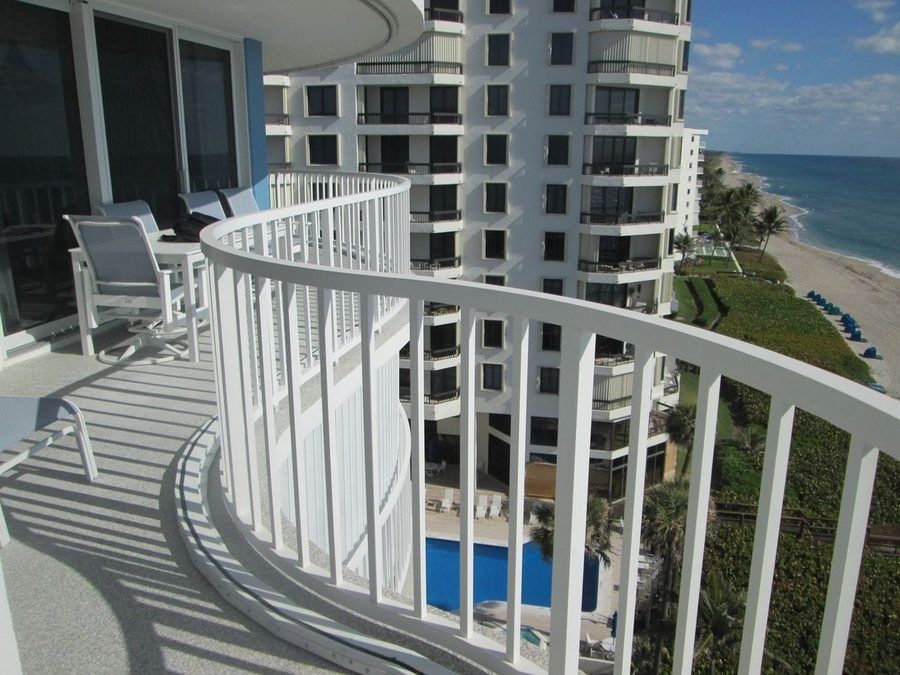
Choosing hurricane shutters for a condo can be more complicated than selecting protection for a single-family home. In addition to comparing shutter styles, condo owners may need to consider association requirements, building design, exterior modification rules, storage, accessibility, and installation requirements.
The right hurricane protection should fit both your openings and the realities of condo living. Before purchasing hurricane shutters, asking a few important questions can help you choose a system that is practical to use and appropriate for your property.
Can Condo Owners Install Hurricane Shutters?
Condo owners may be able to install hurricane shutters, but what is permitted can depend on the condominium association, governing documents, building requirements, and who is responsible for the building exterior.
Before selecting shutters, find out whether your association has requirements for hurricane protection. Some communities may specify acceptable styles, colors, mounting methods, or other exterior details.
Getting these answers before purchasing a system can help prevent unexpected complications during installation.
1. What Does My Condo Association Allow?
Start with your condo association.
Ask whether there are established requirements for hurricane shutters and whether you need written approval before installation. Your association may have standards intended to maintain a consistent exterior appearance or address how equipment is attached to the building.
Questions to ask include:
-
Are certain shutter styles required?
-
Are there color or appearance restrictions?
-
Does installation require prior approval?
-
Are there specifications for exterior mounting?
-
Is there an existing approved product list?
-
Who is responsible for approving the work?
Do not assume that a shutter system installed on another building or unit is automatically approved for yours.
2. Who Is Responsible for the Windows and Exterior?
Responsibility for windows, doors, exterior walls, and other building components can vary between condominium communities.
Before planning an installation, determine which components are considered part of your unit and which fall under association responsibility. This may affect who can authorize modifications, arrange installation, maintain the system, or replace components later.
Your condominium’s governing documents and association can provide information specific to your property.
3. Is the Shutter Appropriate for My Specific Openings?
Not every hurricane shutter is appropriate for every window, door, or building.
An installer should evaluate factors such as:
-
Opening dimensions
-
Building construction
-
Mounting surface
-
Installation location
-
Shutter type
-
Applicable wind-load requirements
-
Manufacturer installation specifications
Ask what product approvals and documentation are available for the shutter system being considered.
Selecting an appropriate product is only part of the process. Correct installation for the particular opening and building conditions is equally important.
4. Which Type of Hurricane Shutter Works Best for a Condo?
Several shutter styles may be available depending on your building and association requirements.
Accordion Shutters
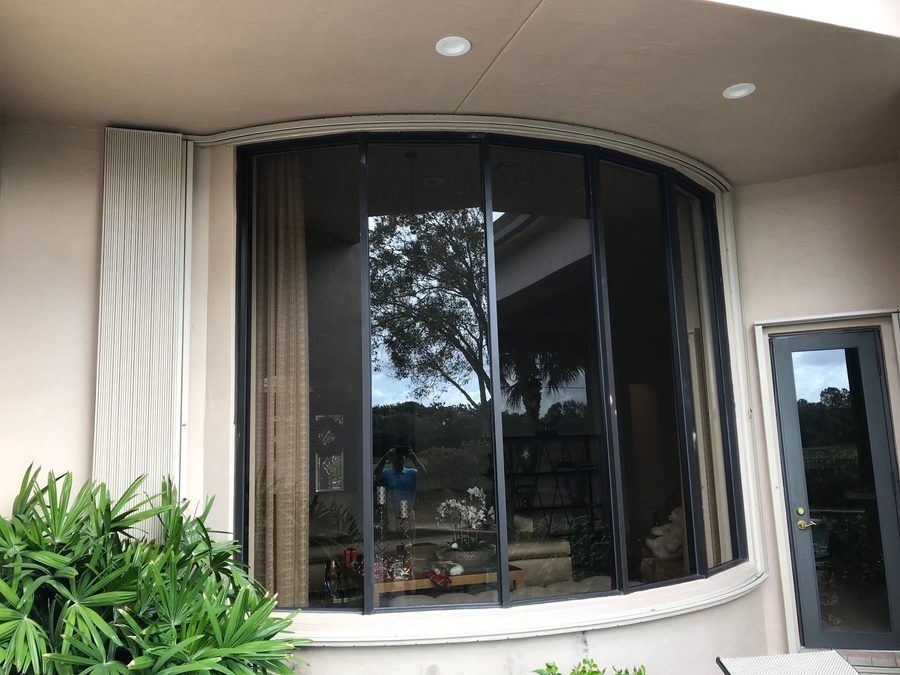
Accordion shutters are permanently installed beside an opening and close across it when protection is needed.
Because they remain attached to the building, there are no individual panels to store. However, their exterior appearance and mounting requirements may be important considerations for condo associations.
Roll-Down Shutters
Roll-down shutters are also permanently installed and can provide convenient deployment. Depending on the system, they may be manually operated or motorized.
Building configuration, electrical requirements, association rules, and installation conditions can all affect whether roll-down shutters are appropriate.
Removable Storm Panels
Storm panels are installed over openings when needed and removed afterward.
They can work well in certain applications, but condo owners need to think carefully about storage and installation. Large panels require somewhere safe and practical to keep them between storms.
No single shutter type is best for every condo. The right choice depends on the building, openings, budget, association requirements, and how you plan to use the system.
5. How Quickly Can I Prepare the Shutters for a Storm?
Ease of deployment becomes particularly important when a hurricane is approaching.
Ask how long it typically takes to prepare the system and whether special tools are necessary. Consider whether one person can operate the shutters and whether every opening can be reached safely.
This can be especially important for seasonal residents, frequent travelers, and homeowners who may have difficulty handling heavy removable panels.
Never rely on a shutter system that would require unsafe exterior access or dangerous ladder use during storm preparation.
6. Where Will Removable Storm Panels Be Stored?
Storage is easy to overlook when choosing hurricane shutters.
Removable panels can be bulky, and condo owners may have less storage space than homeowners with garages or large utility areas.
Before selecting panels, determine where they will be stored and how easily you can access them before a storm. Also check whether your association restricts storing items on balconies, in hallways, or in other common areas.
For some homeowners, limited storage may make a permanently installed system more practical.
7. Can I Operate the Shutters Safely?
Think about how you will actually use the shutters, not just how they will look after installation.
Ask whether the system can be operated from a safe location and whether exterior access is necessary. Elevated condo units can make outside access particularly impractical.
Ease of operation should be part of your decision from the beginning rather than something discovered when a storm is already approaching.
8. Will Installation Affect the Building Exterior?
Hurricane shutter installation may involve tracks, fasteners, housings, or other components attached to the building.
That can be particularly important in a condominium where exterior surfaces may be regulated or maintained by the association.
A professional installer should evaluate the mounting surface and determine the installation requirements for the selected system. Condo owners should also confirm any association restrictions before work begins.
9. Are Permits or Inspections Required?
Permit and inspection requirements can vary based on location and project details.
Ask your hurricane shutter contractor whether permits are required for your installation and who will be responsible for obtaining them. If inspections are necessary, find out who coordinates that process.
Keep relevant product, permit, installation, and approval documentation with your home records.
10. What Maintenance Will My Hurricane Shutters Need?
Hurricane shutters need to remain functional between storms.
Maintenance varies by system, so ask how the shutters should be inspected, cleaned, operated, and maintained. Depending on the equipment, this may include checking tracks, fasteners, moving parts, motors, or other components.
It is also a good idea to operate applicable shutters periodically according to manufacturer recommendations rather than discovering a problem immediately before a hurricane.
11. What Happens if the Power Goes Out?
This question is particularly important for motorized roll-down shutters.
Find out how the system operates during a power outage. Depending on the equipment, there may be a manual override or another method of operation.
Do not assume every powered shutter has the same backup features. Learn how your specific system works well before storm season.
12. What Warranty Coverage Is Included?
Before purchasing shutters, ask about both product and installation warranties.
Find out what is covered, how long applicable coverage lasts, what exclusions apply, and whether specific maintenance is required to maintain warranty coverage.
If the system includes motors or other powered components, ask whether those parts have separate warranty terms.
13. How Will the Shutters Affect Everyday Condo Living?
Hurricane protection matters, but you will live with the system throughout the year.
Consider whether the shutters affect:
-
Views
-
Natural light
-
Window operation
-
Balcony access
-
Door operation
-
Exterior appearance
Balancing storm preparation with everyday convenience can help you select a system you will be comfortable using long term.
Should Condo Owners Choose Hurricane Shutters or Impact Windows?
Both options can provide hurricane protection when properly selected and installed, but they work differently.
Hurricane shutters protect openings when deployed before a storm. Impact windows provide passive protection without requiring shutters to be installed or closed over the glass before each hurricane.
Association requirements, existing windows, budget, building conditions, appearance, and convenience can all influence the decision. Some properties may also use a combination of impact windows and shutters.
Find the Right Hurricane Protection With Castle Impact Windows
Choosing hurricane shutters for a condo requires more than selecting a style. Association approval, building conditions, installation requirements, storage, operation, and maintenance should all factor into your decision.
Castle Impact Windows can help you compare hurricane shutters and impact protection solutions for your property. Contact our team to discuss your condo, evaluate your openings, and find a hurricane protection option that fits your needs.




Get Started